
 KNZ Constructions Private Limited
Established in the year of 2014, KNZ Constructions are the leading Wholesale Trader And Manufacturer of an extensive array of Glass Partition, Office Workstation, Industrial Civil Work, Carpet Tile, Stainless Steel Railing, Painting Work, etc. We direct all our activities to cater the expectations of customers by providing them excellent quality products as per their gratification. Moreover, we follow moral business policies and crystal pure transparency in all our transactions to keep healthy relations with the customers.
For our accomplishment story, we are grateful to our Mr. Zamir, whose continual backing and direction have been useful to us for attaining exponential development in the current market.

Preview
2nd Floor, No. 235, Proworks, 13th Cross Road, Amnesty International India,,Indiranagar 2nd Stage,,
Bengaluru - 560038
Bengaluru - 560038
Contact Details

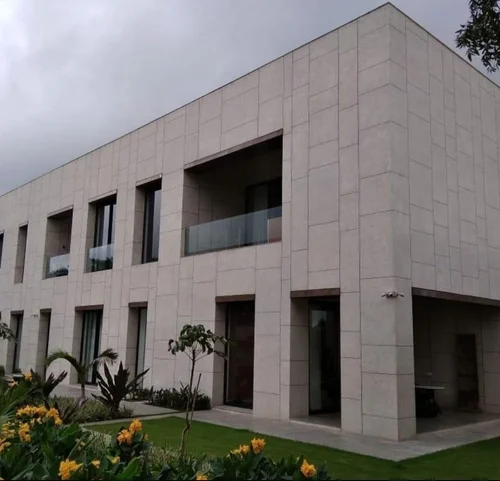
Wall Construction Services
Material Concrete
Service Location all India
Concrete wall construction involves several steps to ensure that the wall is strong, durable, and able to withstand various forces and conditions. Here is a general outline of the process:
1. Site Preparation: Clear the area where the wall will be constructed, including removing any vegetation, debris, or obstacles. Grade the ground to provide a level surface.
2. Footing or Foundation: Excavate the soil to create a trench for the wall's footing or foundation. The size and depth of the footing depend on factors such as the height and type of wall, soil conditions, and local building codes. Install any necessary drainage systems.
3. Formwork: Construct the formwork, usually using wooden or steel panels, to create the desired shape and dimensions of the wall. The formwork serves as a mold to hold the concrete in place during pouring and curing. Reinforcement, such as steel bars or mesh, may also be placed within the formwork for added strength.
4. Pouring Concrete: Mix and pour the concrete into the formwork, ensuring that it is evenly distributed and compacted. Various methods can be used for pouring, such as manual pouring, pump pouring, or crane pouring, depending on the project's scale and accessibility.
5. Finishing: Once the concrete is poured, it needs to be finished to achieve the desired surface texture and appearance. This may involve smoothing and leveling the surface using tools such as trowels or floats. For decorative walls, additional techniques like stamping, coloring, or textured coatings can be applied.
6. Curing: After finishing, the concrete needs time to cure and gain sufficient strength. Proper curing is crucial for the long-term durability of the wall. It involves keeping the concrete moist and at a controlled temperature for a specific period, typically several days or weeks.
7. Stripping Formwork: Once the concrete has cured, the formwork can be removed. Care must be taken to avoid damaging the wall during this process. If necessary, any patching, cleaning, or sealing can be done at this stage.
Bengaluru - Karnataka